
Our model
What we do
A three-phase restoration model and a six-step delivery method take degraded land from species selection to mature, community-managed forest.
Our three-phase restoration model
Beyond planting: growing and nurturing forests until they sustain themselves.
Phase 1
Species-site matching and planting
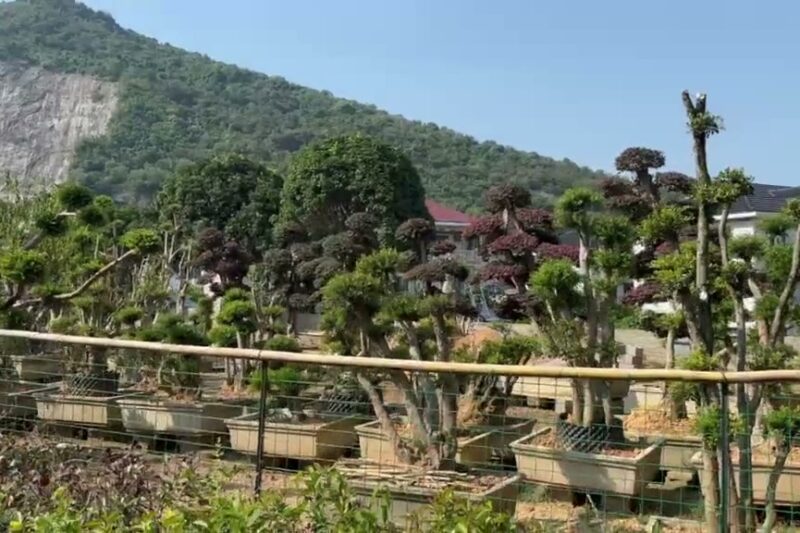
We match species to sites, with provenance-aware selection for ecological fit and climate resilience. Soil, microclimate, hydrology and disturbance diagnostics shape species prescriptions and planting design, and we plant in the best seasonal windows to maximise establishment and long-term growth.
Phase 2
Establishment management and early-stage silviculture
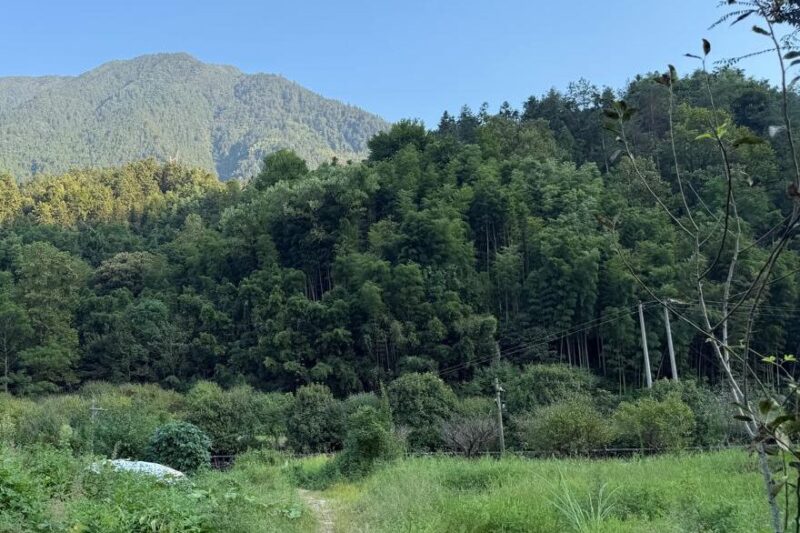
We secure early establishment through nursery propagation and field care: mulching, targeted weeding, tree guards and fencing, phased watering, pest and disease surveillance and scheduled gap-filling. Community teams follow maintenance plans and adapt them to improve survival and accelerate canopy closure.

Phase 3
Stand maturation and ecosystem recovery
We turn planted trees into self-sustaining, biodiverse forest through mixed species, assisted natural regeneration and structural complexity, restoring habitat, soil health and water regulation. Long-term stewardship is formalised with Community Forest Associations and local authorities.
How we do it: six steps
Every programme follows the same disciplined path. Open a step to see its activities and deliverables.
Baseline assessment and geospatial mapping
Conduct ecological and socio-economic baseline assessments and produce georeferenced site layers.
Activities: Habitat and soil surveys, land-use and tenure mapping, stakeholder mapping, and GIS and remote-sensing outputs.
Deliverables: GPS-referenced plot maps, an ecological baseline report, a tenure risk register and a priority restoration plan.
Tenure verification and landowner consent
Clarify land rights and secure formal land-use agreements with landowners, Community Forest Associations and institutions.
Activities: Legal tenure checks, memoranda of understanding or stewardship agreements, and risk mitigation for access.
Deliverables: Signed consent and stewardship agreements, documented tenure verification, and an access and liability register.
Stakeholder mobilisation and social contracting
Co-design interventions through participatory engagement and establish social contracts under Free, Prior and Informed Consent.
Activities: Community consultations, local management committees, grievance redress mechanisms and gender-inclusive participation plans.
Deliverables: A community engagement plan, social contract documents, a stakeholder register and a grievance mechanism.
Site preparation and capacity building
Prepare sites using ecological restoration best practice and build local technical capacity.
Activities: Invasive species control, soil and erosion work, water-harvesting structures, planting layout and microsite preparation, and hands-on training in nursery propagation, tree husbandry and post-planting care.
Deliverables: A site preparation checklist, species-specific planting prescriptions, trained community teams and a nursery establishment plan.
Planting, establishment and gap filling
Plant to prescription and secure early establishment through active maintenance.
Activities: Phased planting, fencing and tree guards, mulching, weeding, scheduled gap-filling for losses, and livestock and fire management.
Deliverables: Planting registers, establishment and maintenance schedules, gap-fill logs, and initial survival and growth reports.
Monitoring, evaluation, accountability and learning
Measure ecological and social outcomes and use them to adapt our methods. How we monitor and report.
Activities: GPS-based monitoring, time-stamped photos, sample-plot survival and growth surveys, socio-economic impact assessments, carbon estimation and community-led monitoring.
Deliverables: A MEAL framework, quarterly dashboards, an annual impact report, data governance protocols, and safeguarding and FPIC records.
Practices across all phases
Adaptive management
We refine our methods continuously using survival and growth data, community feedback and ecological monitoring.
Monitoring and data
Standardised monitoring, georeferenced plots, time-stamped imagery and carbon accounting, shared with partners. How we report.
Protection and risk
Climate-smart species selection, firebreaks, grazing management, pest and disease surveillance and contingency planning.
Safeguards and inclusion
Free, Prior and Informed Consent, grievance redress, child protection, and gender and youth inclusion targets in every activity. Our safeguards.
Handover and long-term stewardship
Formal handover to Community Forest Associations and local authorities, with maintenance plans, legal stewardship instruments and capacity transfer.
From seedlings to self-sustaining forests
A technically robust pathway from species selection to mature, community-managed forests that deliver biodiversity recovery, watershed resilience, carbon sequestration and inclusive green livelihoods.